You are currently viewing Design Logic

Design Logic

Spread the love

In the fast-paced world of graphic design, where trends change almost as quickly as the tools we use, it’s tempting to focus on how things look. Clean lines, bold colors, aesthetic grids — they grab attention. But the heart of great design isn’t just about how something looks — it’s about how it works. This is where Design Logic comes in.

What is Design Logic?

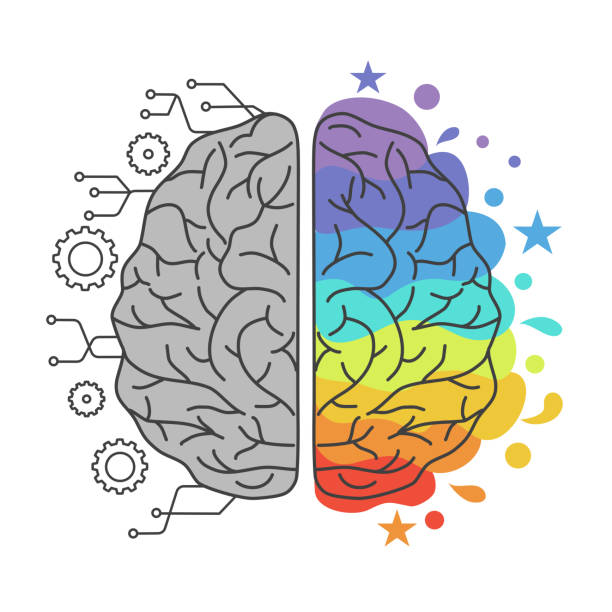
Design logic is the process of making design decisions based on purpose, function, and context. It’s the “why” behind the “wow.” While creativity gives design its soul, logic gives it structure — ensuring that the final outcome is not just beautiful, but meaningful, usable, and effective.

The Thinking Behind the Visuals

At its core, design logic asks:

  • What is this design trying to achieve?

  • Who is the target audience?

  • What problem is it solving?

  • How will it be used or interacted with?

Every font choice, color palette, layout decision, or UX flow should be backed by a rationale. That’s what separates professional design from decoration.

Real-World Examples of Design Logic

1. Brand Identity

A luxury fashion brand shouldn’t use Comic Sans. That’s obvious. But why? Because Comic Sans conveys playfulness, not elegance. The logic behind branding lies in alignment: the typeface, color scheme, and logo must align with the brand’s values and the audience’s expectations.

2. Web and UI Design

In user interface (UI) design, logic means creating intuitive navigation, consistent iconography, and accessible layouts. A beautifully styled website that confuses users is a failure in logic, no matter how “pretty” it is.

3. Print Design

A flyer designed for senior citizens should prioritize legibility over trendy minimalism. Small grey text on a white background might look sleek but fails the logic test: the intended audience can’t read it easily.

Balancing Logic and Creativity

Some designers worry that being too logical can stifle creativity. But the best work comes when logic and creativity work together. Logic creates constraints — and within constraints, creativity thrives.

A great designer can:


  • Think like a strategist

  • Design like an artist

  • Explain like a teacher

Conclusion: Design That Works, Not Just Wows

Design logic doesn’t kill creativity — it gives it direction. By grounding your creative instincts in smart reasoning, you can produce work that doesn’t just look good but also works well.


In a world full of noise and visual clutter, logic-driven design stands out because it makes sense. And in design, making sense is often more powerful than making a statement.

Leave a Reply