Table of Contents
ToggleThe Psychology of Design: How Colors and Shapes Influence Perception
Design is more than aesthetics — it’s a powerful psychological tool that shapes how we see, feel, and respond to the world around us. When done right, visual design can communicate emotions, create trust, trigger memories, and even influence decisions.
At the heart of this lies color and shape psychology — two fundamental elements that designers use to speak to the human brain without saying a word.
In this blog, we’ll explore how colors and shapes impact perception, and how you can apply this knowledge to create more effective and meaningful designs.
The Psychology of Color
Color is one of the most immediate and impactful elements of design. Our brains process color instantly, often before we even understand the content. Different colors can evoke different emotions, associations, and cultural meanings.
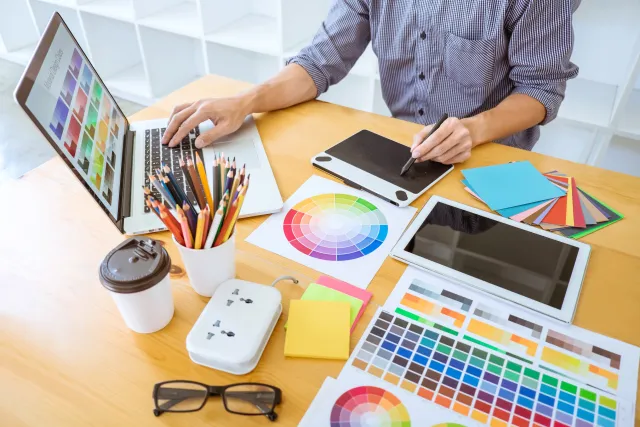
Common Color Associations (Western Culture):
Red: Passion, danger, excitement, urgency
Blue: Trust, calm, professionalism, security
Yellow: Optimism, energy, creativity, warmth
Green: Growth, nature, health, stability
Black: Power, luxury, sophistication, mystery
White: Purity, simplicity, cleanliness, peace
Purple: Royalty, imagination, wisdom
Orange: Enthusiasm, friendliness, confidence
Why Color Matters in Design:
-
Brand identity: Think of Coca-Cola red or Facebook blue — colors stick.
-
Emotional response: Warm colors (like red and orange) stimulate energy, while cool colors (like blue and green) promote calmness.
-
User behavior: Studies show that color can affect buying decisions and even perception of quality.
Pro tip: When choosing a color palette, align it with the emotional tone of your brand or message. If you want trust, go blue. If you want urgency, try red.
Cultural Considerations in Color
It’s important to remember that color meanings can vary by culture. For example:
-
White symbolizes purity in Western cultures but is associated with mourning in some Eastern cultures.
-
Red represents luck and celebration in China but can indicate danger in others.
Always consider your target audience and the cultural context when working with color.
Combining Color & Shape for Maximum Impact
Here’s how the two work together to influence perception:
| Color + Shape | Perception |
|---|---|
| Blue + Circle | Calm and friendly |
| Red + Triangle | Bold and dynamic |
| Green + Organic Shape | Natural and eco-conscious |
| Black + Square | Strong and authoritative |
The Science Behind It
Studies in neuromarketing and behavioral psychology show that:
90% of snap judgments about products can be based on color alone.
Rounded logos tend to elicit feelings of warmth, while angular logos suggest competence.
Colors and shapes can affect trust and credibility, especially in digital interfaces.
So whether you’re designing a logo, app, or website, you’re not just creating visuals — you’re shaping how people feel and behave.
Quick Tips for Designers
Start with your goal: What feeling or action do you want to evoke?
Choose colors with purpose: Don’t just follow trends — align with your brand values.
Pick shapes that support your message: Is your brand strong and stable, or creative and fluid?
Test with real users: Sometimes your audience reacts differently than expected. A/B testing can help.
Keep accessibility in mind: Use sufficient contrast, avoid color-only communication, and consider colorblind-friendly palettes.
Final Thoughts
Design isn’t just about looking good — it’s about thinking deeper. When you understand the psychology of color and shape, you gain the power to connect with your audience on an emotional, almost instinctual level.
So next time you sit down to design, don’t just ask, “Does this look nice?”
Ask instead:
“What will this make people feel?”
That’s how you create design that not only looks great — but means something.